
Theme: Congresses and Conferences
Students have consistently organized congresses and conferences to respond to their interests and to create educational opportunities that are not otherwise offered by their universities. For Black students especially, this has served as a crucial way to gather and network with one another and with established Black scholars across institutions and national contexts. This is not only a matter of standard academic organizing, but reflects a broader tradition of Pan-Africanism and Black internationalism. The first Congresses of Black Writers and Artists were organized by the Présence Africaine in 1956 in Paris; and in 1959 in Rome.
chapters
Congresses of Black Writers and Artists at McGill
Welcome to the Congress!
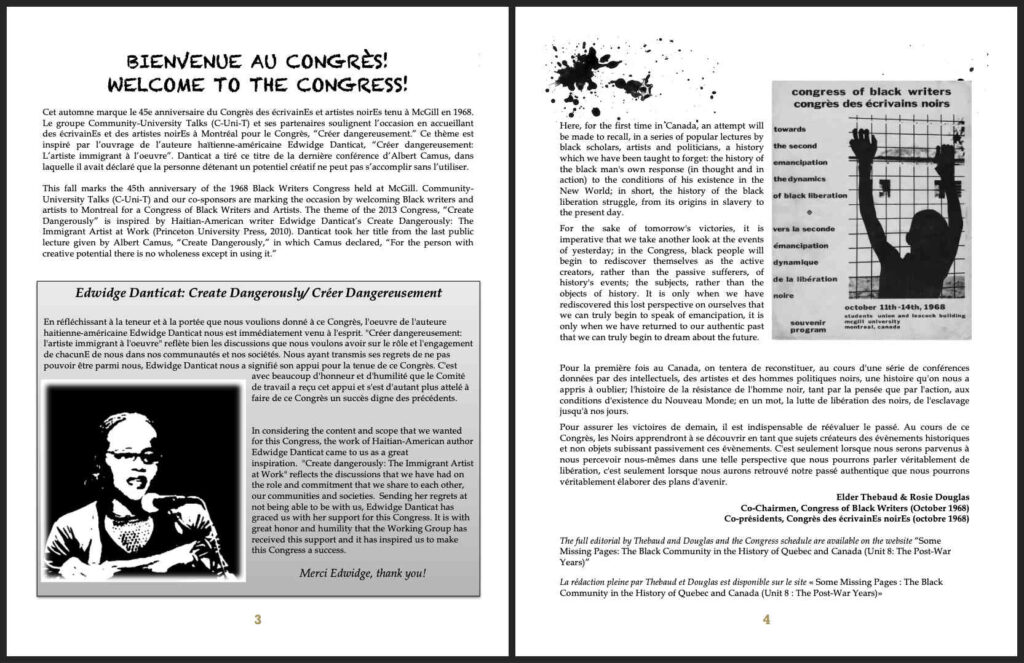
From October 18–20 2013, the group Community-University Talks (Conversations Universités-Communautés) hosted an international Congress of Black Writers and Artists at McGill University. Community-University Talks (C-Uni-T) was a bilingual, multidisciplinary collective of students and community members committed to creating spaces for dialogue between members of Montreal’s diverse Black communities and university students, researchers, and professors of a broad range of ethno-cultural backgrounds. As were all C-Uni-T activities, the Congress was an inclusive and accessible event in which the diversity of experiences and strengths of Black communities were centred. Congress participants included a wide range of writers, visual artists, performers, community and labour activists and organizers, students and academics.
The theme of the 2013 Congress, “Create Dangerously” was inspired by Haitian- American writer Edwidge Danticat’s Create Dangerously: The Immigrant Artist at Work (Princeton University Press, 2010). Deeply inspired by Danticat’s work, the Congress organizers felt that the idea of creating dangerously as articulated by Danticat and by Albert Camus before her, reflected the commitment that C-Uni-T members shared with each other, to their communities and societies; they created as resistance, to hear and to see themselves and their stories, to interpret and to remake their worlds. While she was unable to attend the 2013 Congress due to a prior engagement, Danticat enthusiastically expressed her support and encouragement, further inspiring C-Uni-T to create a Congress that would take its place in the history of such gatherings of Black Diaspora community.
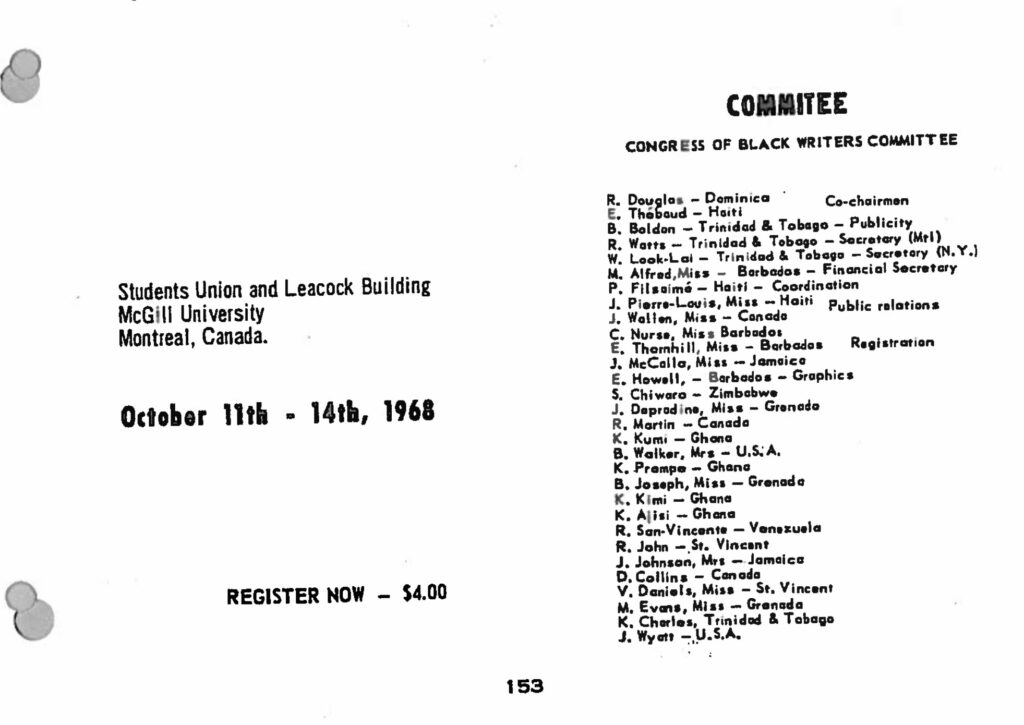
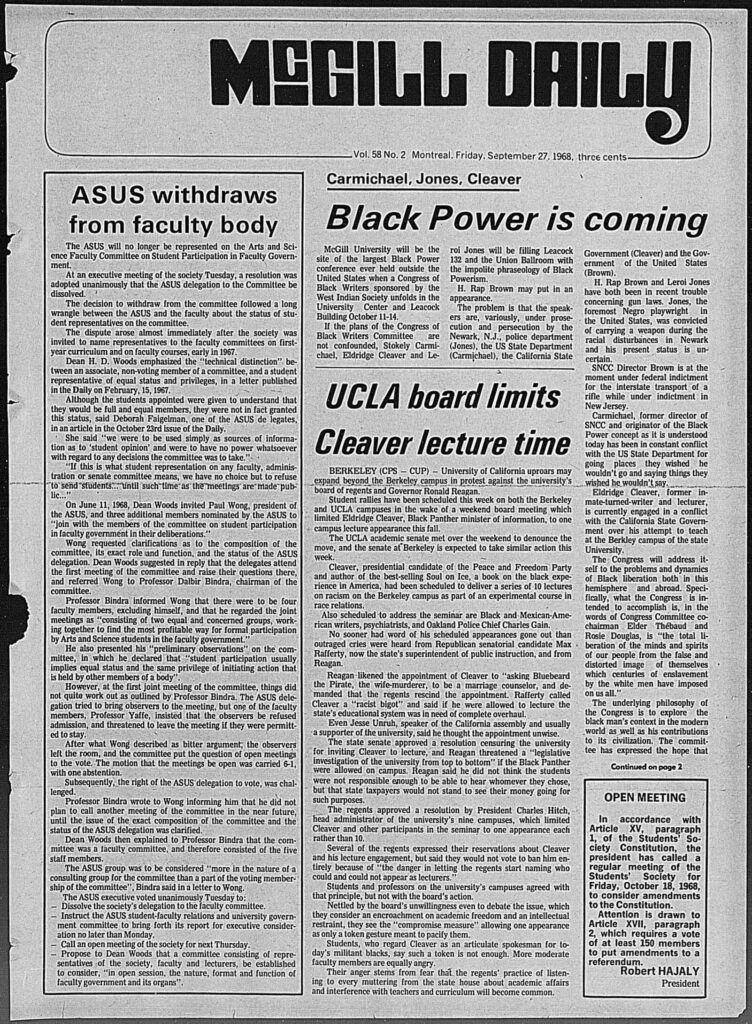
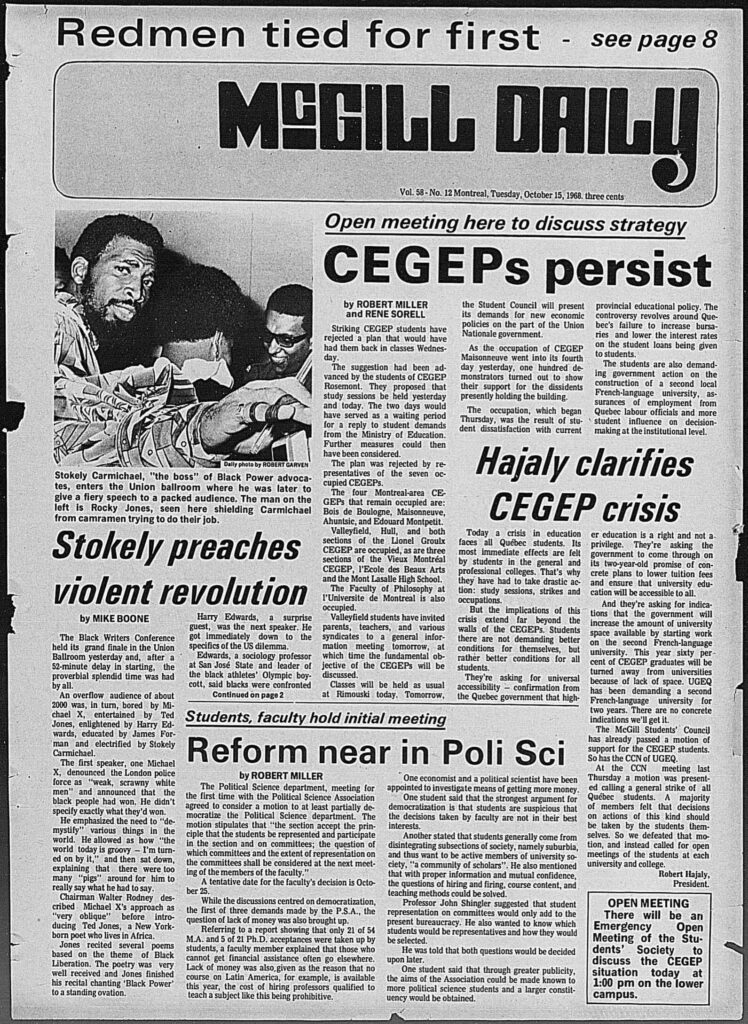
Create Dangerously paid homage to previous congresses, acknowledging the first international Congress of Black Writers and Artists held in 1956 at Sorbonne University in Paris, and celebrating the 45th anniversary of the 1968 Congress, also held at McGill. The 1968 Congress of Black Writers was organized by Black community members and students committed to Black liberation from economic, social, political and cultural oppression.
In the spirit of previous congresses, the event brought together an international group of intellectuals, artists and activists and stimulated lively discussion and debate regarding Black cultures, politics and identities. It was also important to the organizers that they hosted a Congress that reflected social and political changes since the late 1960s. Most critically, the near absence of women speakers at previous congresses was corrected through embracing a Black feminist approach emphasizing the contributions of women as well as the ways in which race intersects with gender, sexuality, social class, language, and geography.
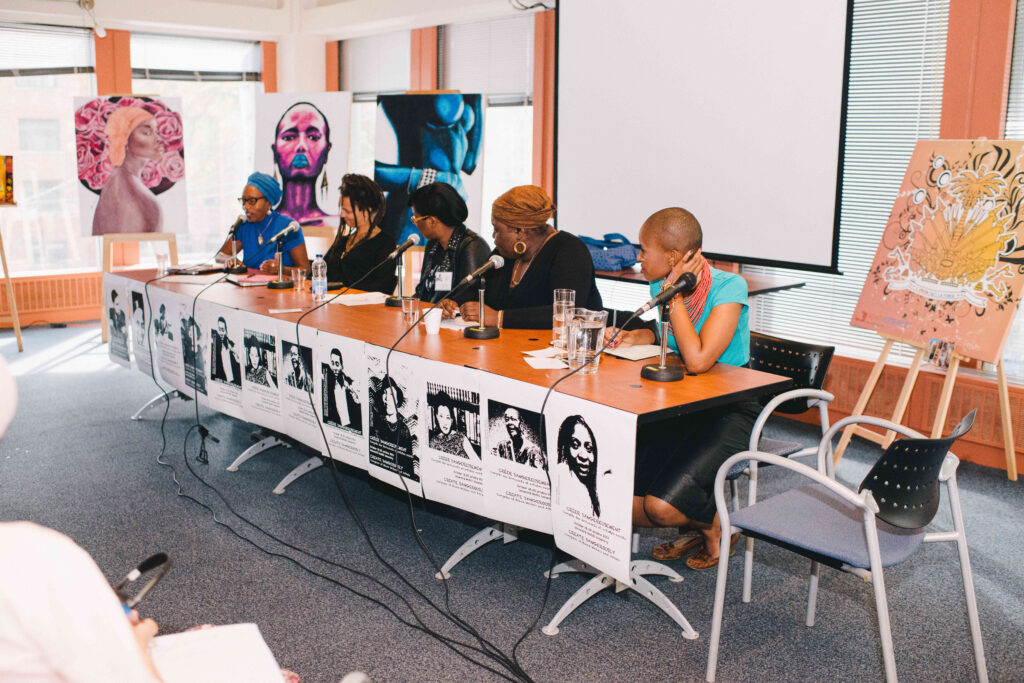
“Create Dangerously paid homage to previous congresses, acknowledging the first international Congress of Black Writers and Artists held in 1956 at Sorbonne University in Paris”
The Create Dangerously Congress was organized with an emphasis on collaboration with allies and on supporting local groups and businesses, particularly those with a social justice orientation. The entire event was bilingual (French and English), free of charge, and open to the public, with free breakfasts provided by the Midnight Kitchen Food Collective and free childcare provided by the Montreal Childcare Collective. Free lunches with vegan options were also provided, catered by local Caribbean restaurants. Funding for the event came from various initiatives, departments and institutes of McGill University as well as a one-time grant from Citizenship and Immigration Canada.
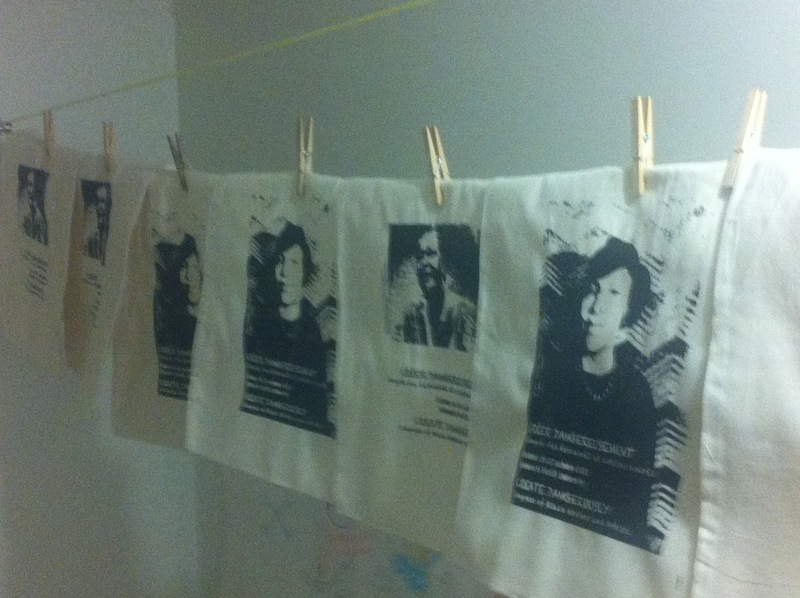
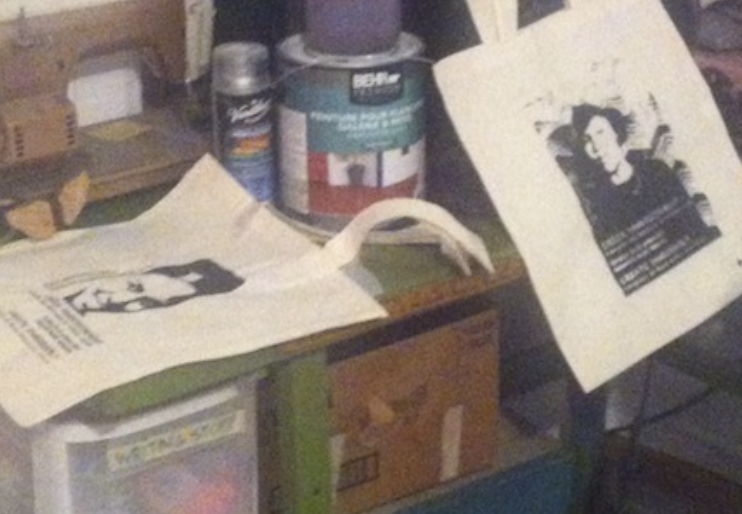
The organizers of the Congress were conscious of the importance of historical records of Black student organizing and made sure there was memorabilia from the congress available to attendees and for the C-Uni-T archive. They designed and screen-printed a series of tote bags and posters featuring the images of five Black women writers and artists: Jamaican born Canadian author and poet Afua Cooper, African American writer Zora Neale Hurston, South African singer-activist Miriam Makeba, Haitian novelist Marie Vieux- Chauvet, and Malian writer and political activist Aminata Dramane Traoré. They printed the material themselves at a local skillshare (Le centre d’art communautaire Ste-Émilie Skillshare).

The official Congress poster, the cover of the program and the Congress button featured an image of Brooklyn-based African visual artist Wangechi Mutu at work. An additional two Congress posters featured Caribbean writer George Lamming, who attended the 1956 Congress in Paris, and U.S. Black activist and writer Stokely Carmichel (later known as Kwame Ture), who attended and gave a rousing speech at the 1968 Congress at McGill.
Créer dangereusement: Congrès des écrivainEs et artistes noirEs was an enormous success, welcoming roughly 180 participants over the weekend and including thirty-five presentations and performances representing a diverse range of identities and experiences across differences in age, language, social class, sexual orientation, gender, ability, politics and national background. In addition to eight panel presentations over the two days, there was a visual art exhibition featuring the work of Theodore Harris, Rafaëlle Roy, DARE 2, Kosisochukwu Nnebe, Jamie Bradbury, and Keithy Antoine. Performances were given by poets Afua Cooper, Teanna Munro, and Brandon Wint; singers Cora-Lee Conway and Stella Jetté, and musicians Bertram Bolden and Hayes Kali Thurton.
Create Dangerously continued a Black radical tradition of international gathering; lasting connections were made, and critical conversations were both continued and started. While the Congress stands out for its size and scope, Community-University Talks would continue creating spaces for communing and sharing among Black students, community members and allies for the next several years.
References
hampton, r. (2013). Créer dangereusement: Congrès des écrivain·e·s et artistes noir·e·s. À Bâbord: Revue Sociale et Politique 52 (Decembre 2013/Janvier 2014), 41.
LearnQuébec. Some Missing Pages: The Black Community in the History of Quebec and Canada (Unit 8: The Post-War Years)
Suggested citation
rosalind hampton (2023). Congresses of Black writers and artists at McGill. Coalition Building on Campus. https://coalitionbuildingoncampus.ca/cboc-story/create-dangerously-congress-of-black-writers-and-artists/